

Our place, our past shapes who we are in the present. Our campus reflects the history, growth, and values of our community, and the spaces our students learn in every day tell that story. This page brings together where we are located and the history of the key buildings and facilities that support learning, connection, and community across Orewa College.
Orewa College opened in 1956 as Orewa District High School, a combined primary and secondary school with a roll of just 101 students. In 1974, the primary school was split off and the school became Orewa College, then offering Years 9 to 13. Years 7 and 8 were added in 2005, giving the school its present Years 7–13 structure.
Today Orewa College is a state coeducational school serving more than 2,300 students from Years 7 to 13, guided by our motto, “Towards enriched, responsible citizenship.”
Key milestones
- 1956 — Opened as Orewa District High School with a roll of 101 students
- 1974 — The primary school split off and the school became Orewa College (Years 9–13)
- 2005 — Years 7 and 8 added, establishing the Years 7–13 college we are today
Orewa College at a glance
- Established: 1956
- Type: State, coeducational
- Years offered: 7–13
- Roll: 2,338 students (March 2026)
- Motto: Towards enriched, responsible citizenship
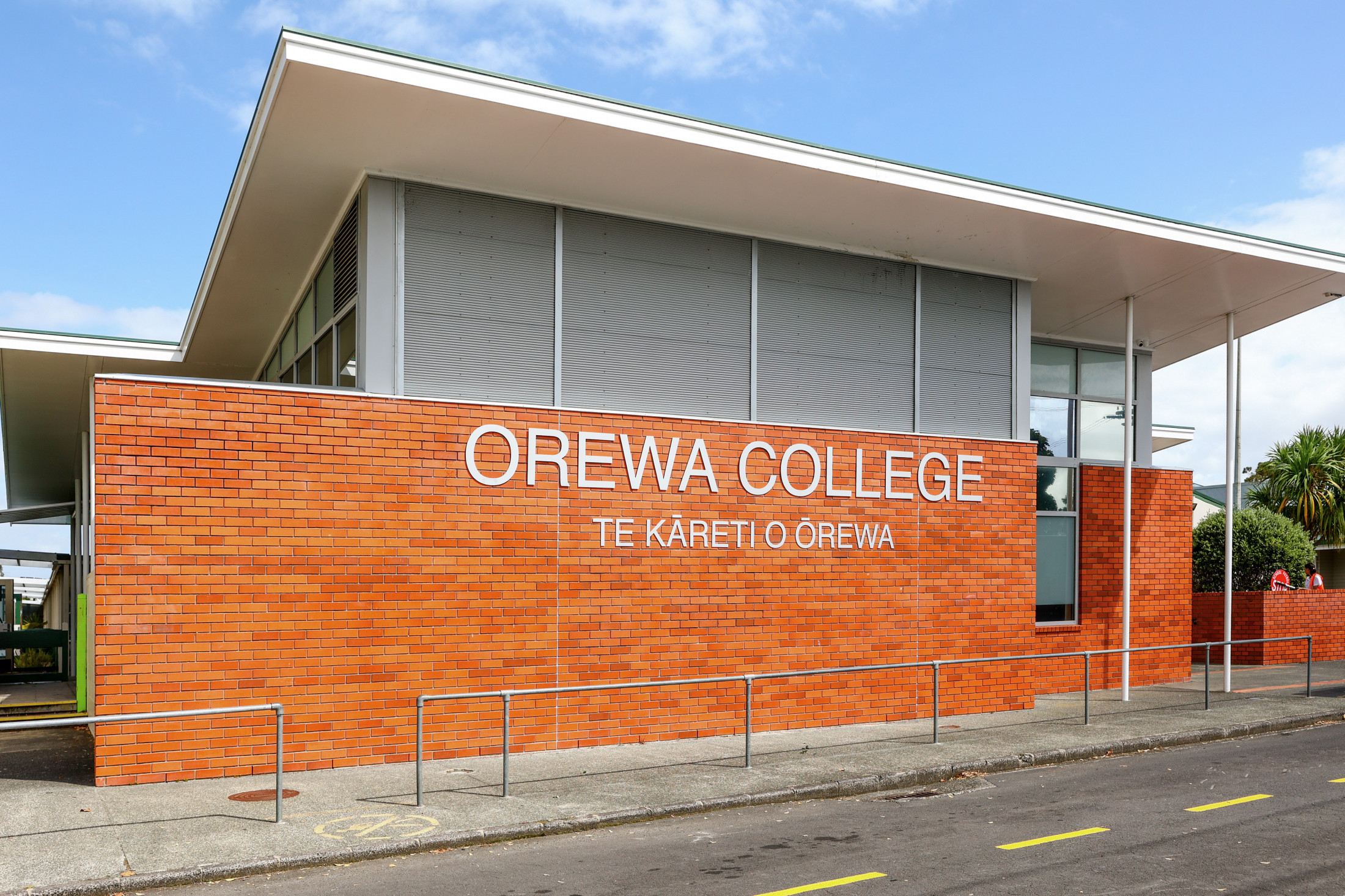
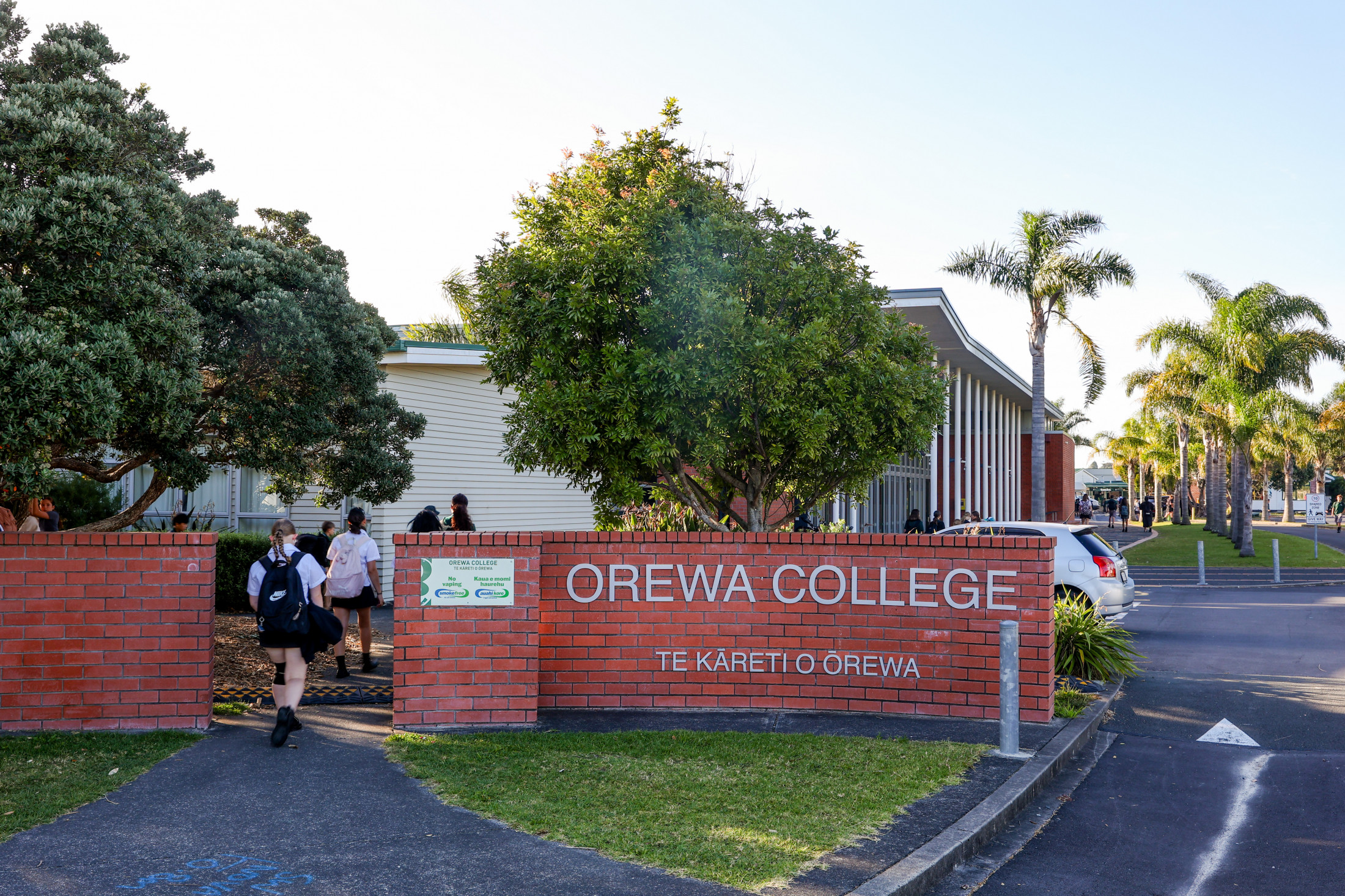
Orewa College is located at 76 Riverside Road in Orewa, on the Hibiscus Coast, approximately 30 minutes (40 kilometres) north of central Auckland.
Orewa is one of the fastest-growing areas in New Zealand. With its long Pacific Ocean beach, it is a popular place for swimming, surfing, and walking. The Orewa town centre offers boutique shops, cafés, restaurants, and accommodation options.
Orewa College
76 Riverside Road
Orewa 0931
Auckland, New Zealand
Notable Alumni
Orewa College is proud of the many graduates who have gone on to make their mark across sport, the arts, music, and public life, including:
- Ann Hartley — politician
- Shaun Johnson — rugby league player
- Tom Jordan — Scottish international rugby union player
- Fiona Pardington — photographic artist
- Kody Nielson, Ruban Nielson, Paul Roper and Michael Logie — musicians who formed The Mint Chicks
- Jay White — professional wrestler, currently signed to All Elite Wrestling
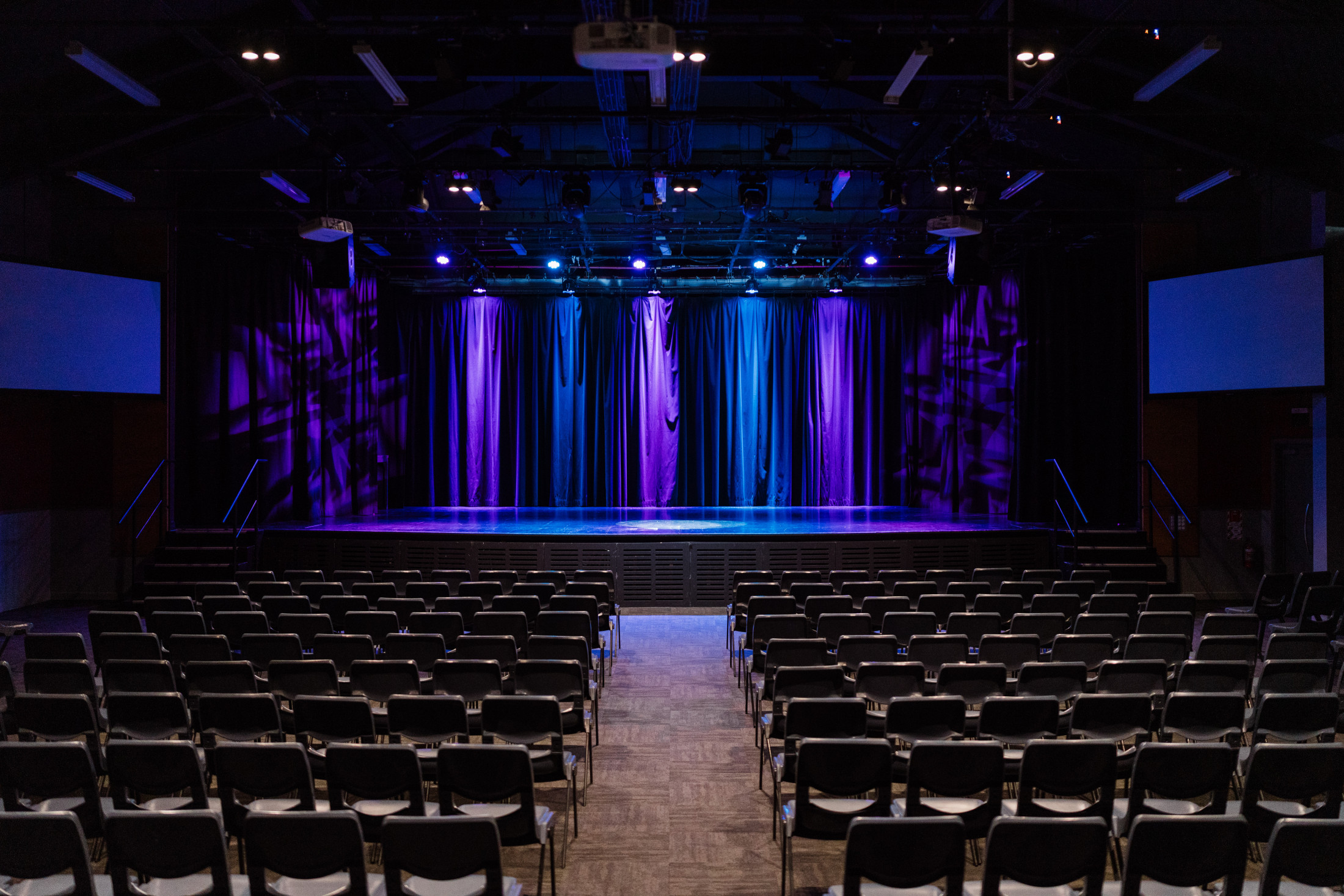
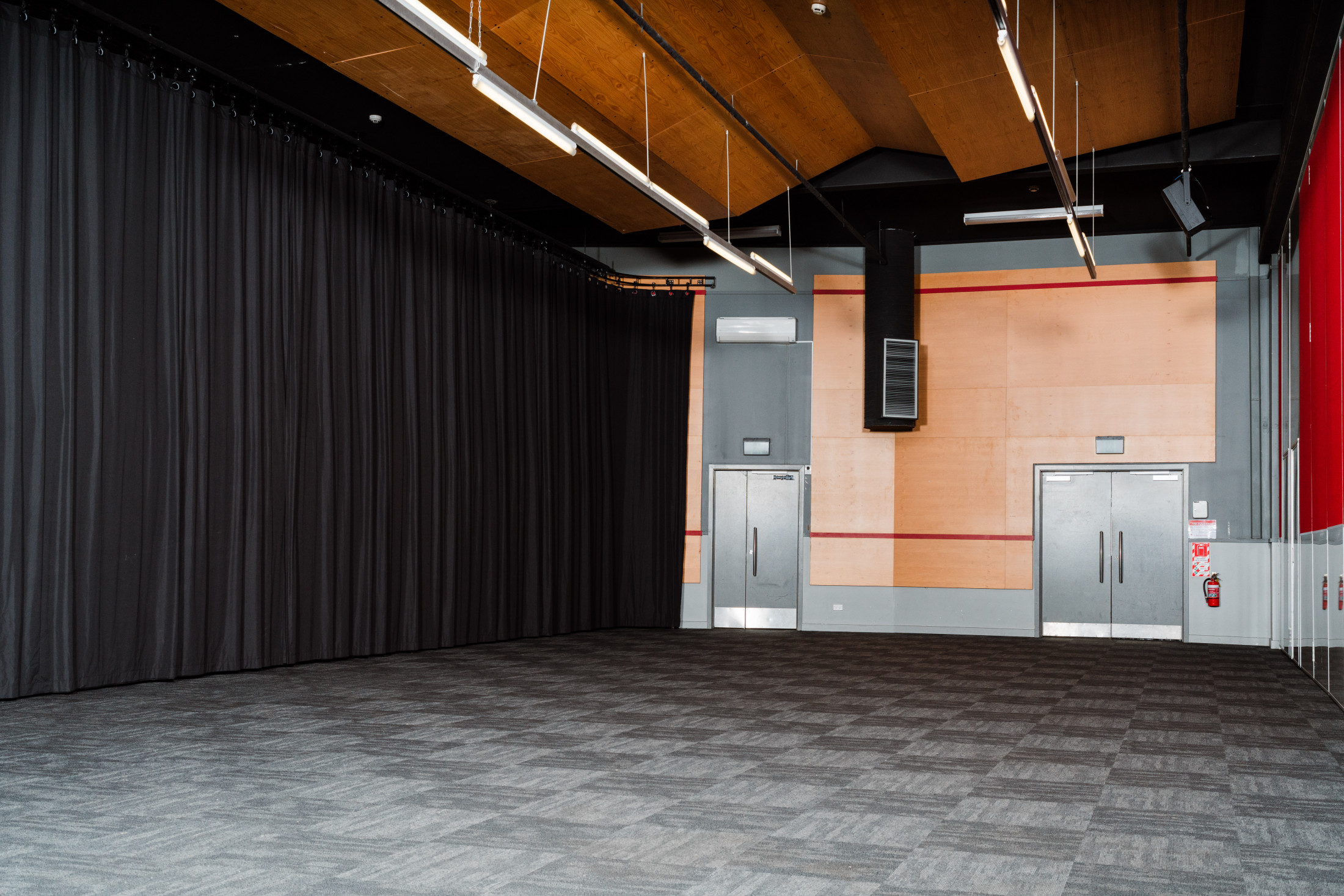
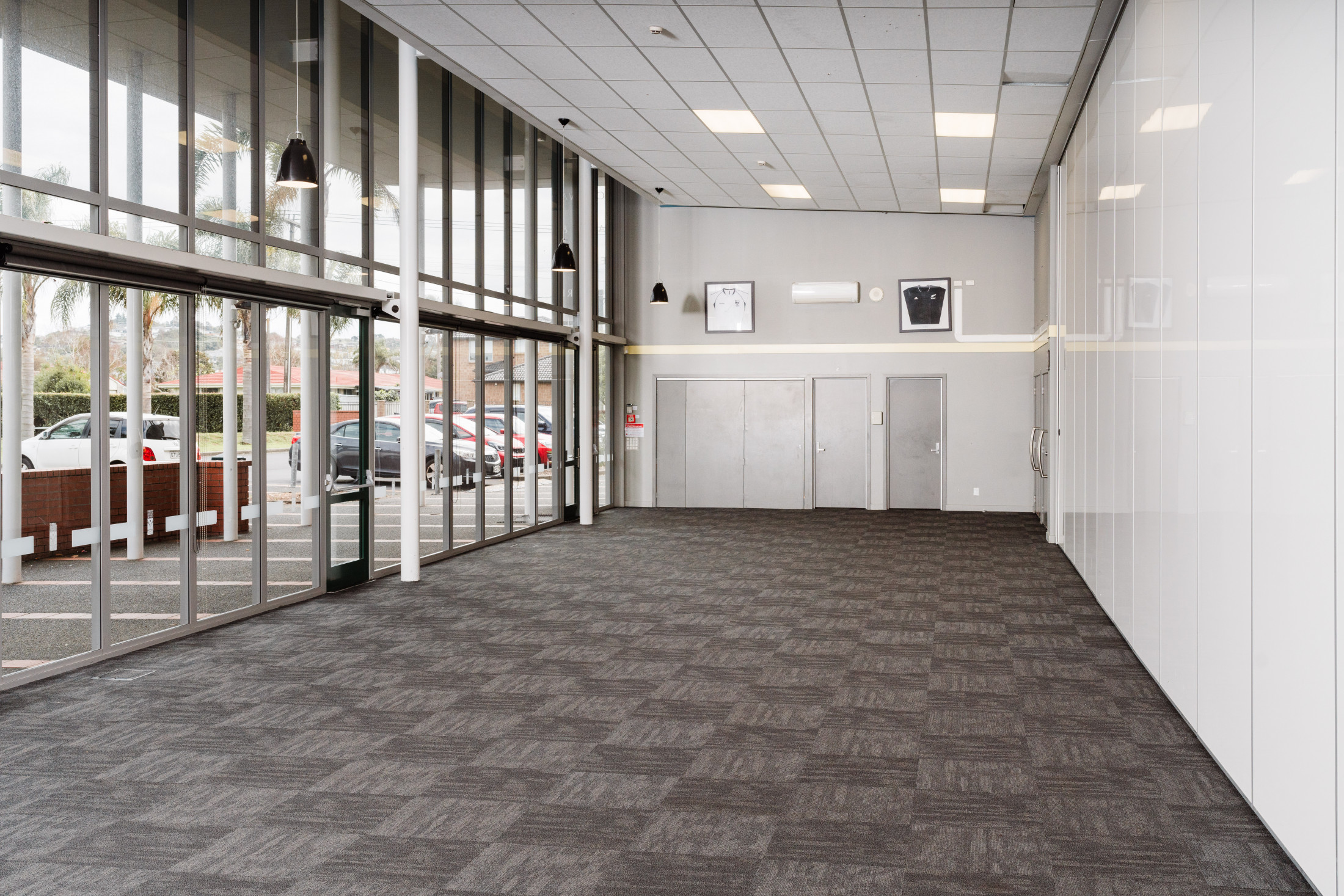
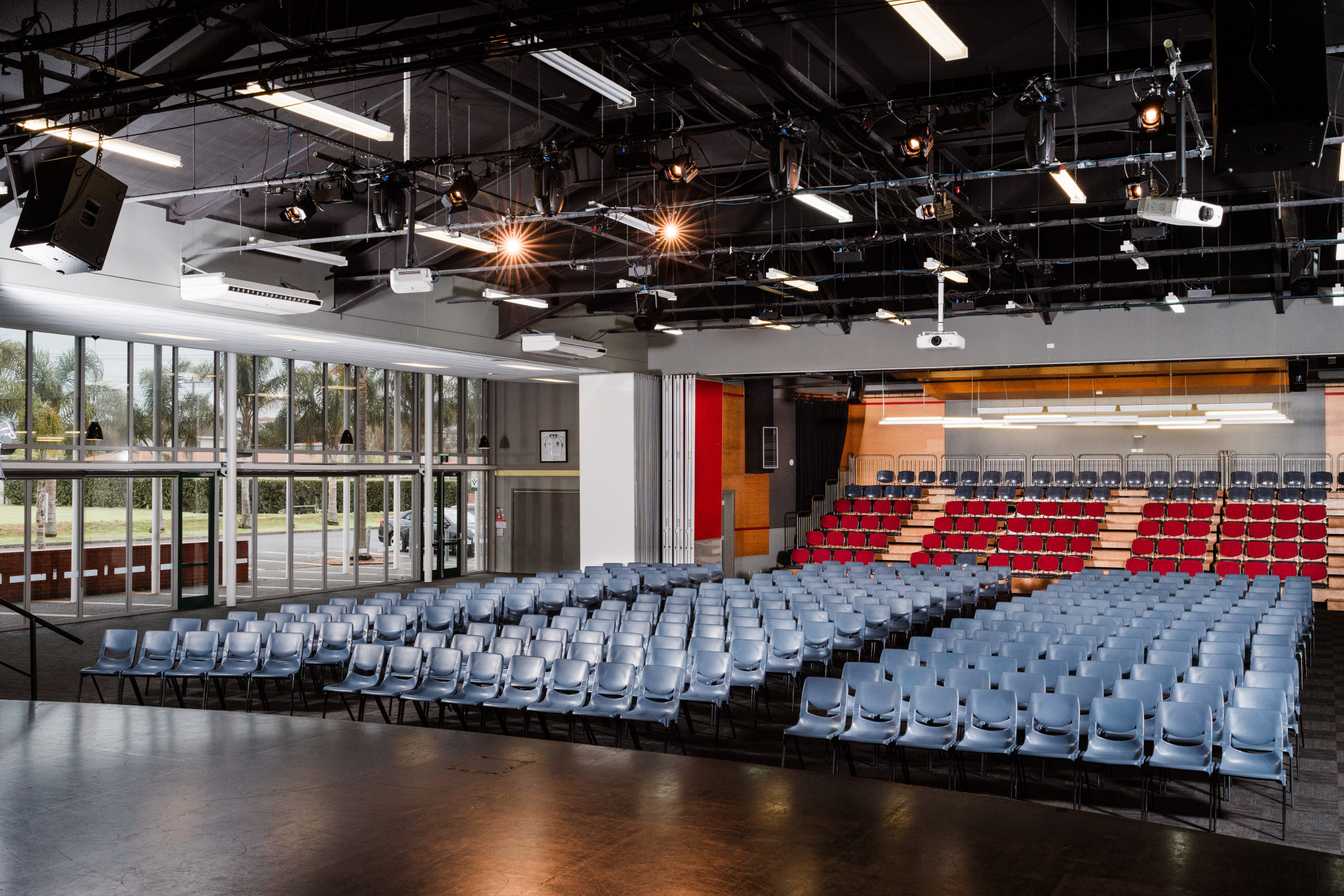
Built in partnership with the former Rodney District Council, the Orewa Arts & Events Centre is a modern, flexible auditorium that has become a valuable asset for students, staff, and the wider community. It offers 450 square metres of flat floor space and seating for up to 700 people, with full audio-visual facilities, two projectors and screens, a sound system with microphone, and standard lighting (stage and special-effect lighting are available when hiring school technicians), along with efficient heat pump and air-conditioning units. The OAEC spaces can be booked for commercial or community events.
School Buildings & Facilities
The history of key buildings and spaces across the school, in the order they came to be, from the original main block to our most recent additions.
Old Main Block
The original part of the school, now home to Science laboratories
The Old Main Block is the original part of the school and is now home to Science laboratories. Its upgrade was completed in 2007.
Gymnasium Complex
Supporting sport and community use since 1976
The gymnasium was built and officially opened in 1976. The extended gymnasium complex opened on 19 November 1998 (opened by the Rt Hon Don McKinnon) and includes seminar rooms, a commercial kitchen, function foyer, offices, and changing rooms. Since then, the gym floor has been replaced with a sprung floor, a weight training extension has been added, and a second gymnasium was completed in 2006.
Hopper Block (Technology Block)
Supporting practical and vocational learning
Opened in 1976 and named after Bill Hopper, a Trustee of Orewa College. The Hopper family also contributed to tree planting and grounds development. The Technology Block includes textiles, digital rooms, design classrooms, engineering and carpentry workshops, food technology kitchens, and hospitality facilities. Kitchen upgrades were completed in 2016.
Searle Block
Home to Mathematics and Science
Opened in 1976 and named after Professor Searle, Chairman of the Board of Governors from 1974 to 1983.
Library
Supporting print and digital research
The brick library was built and opened in 1981. An extension opened in 1998 by local poet Paul Burrell and supports both print and digital research.
Harvey Block
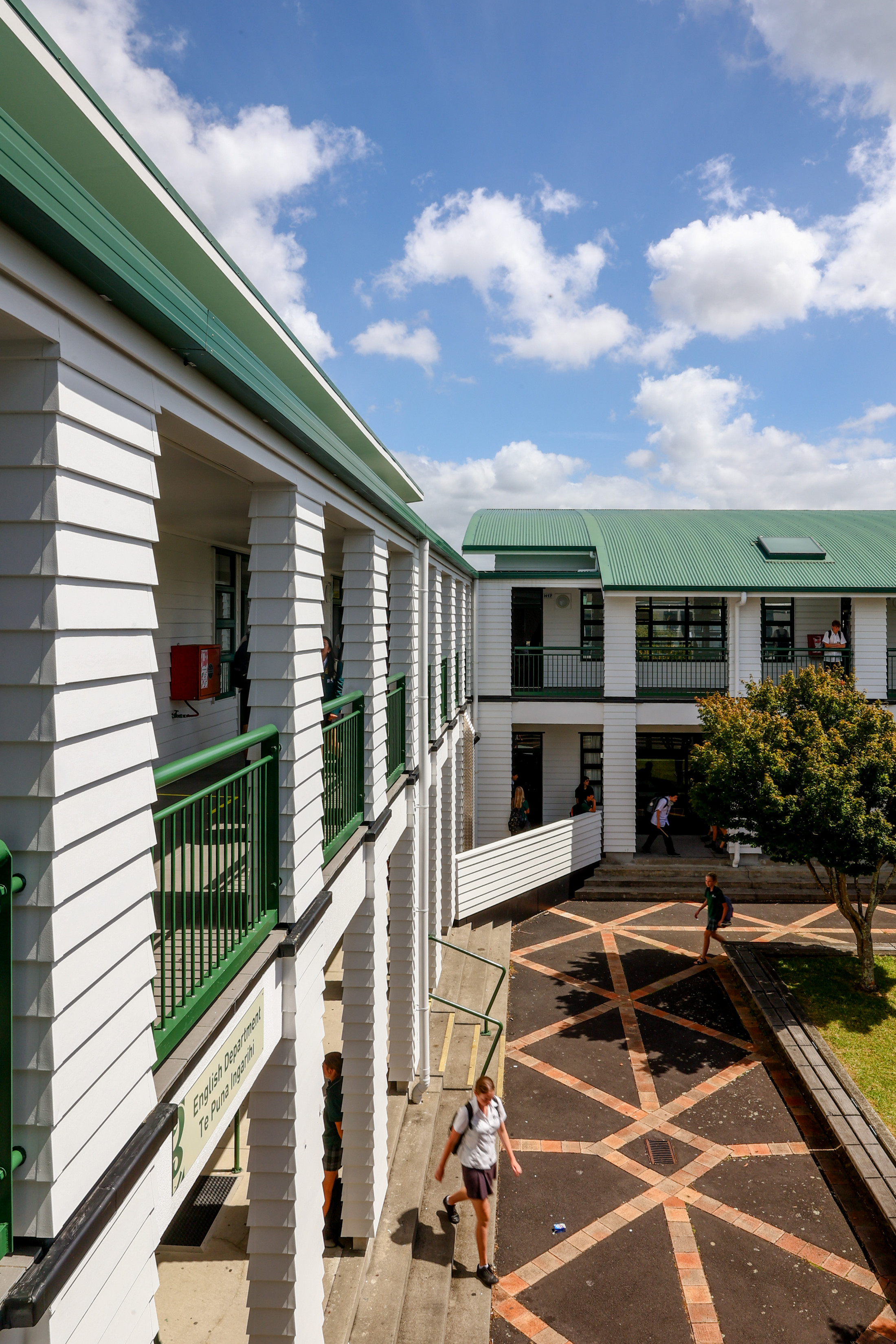
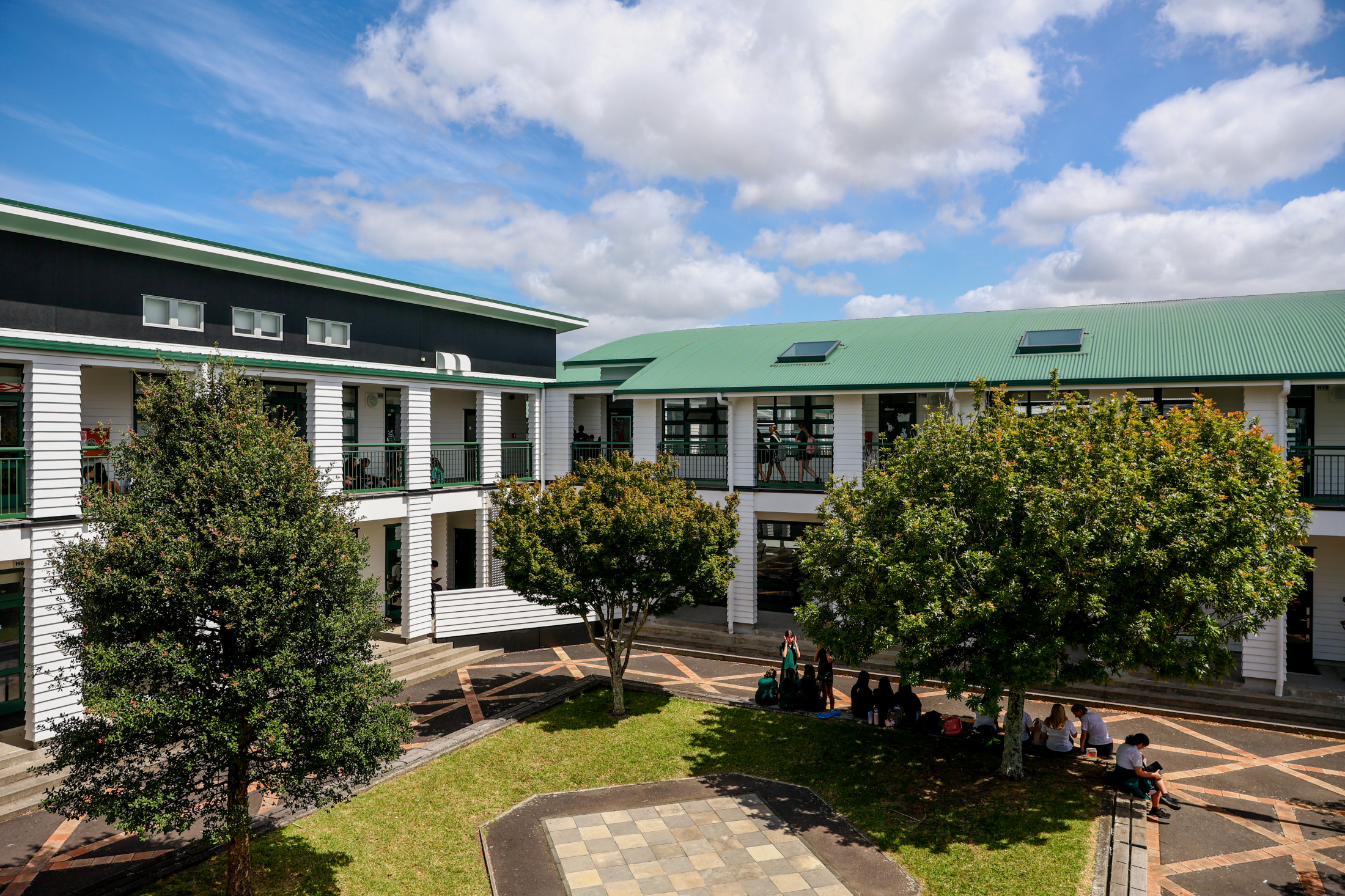
Home to Humanities and English
Opened on 18 November 1999 with a blessing from Kaumātua Pita Pou and officially opened by historian Michael King. The building is named after Mr Ian Harvey, a past Chairman of the Board. The Languages wing opened in 2003 and features a mural by former student Tim Stephens. The third wing was opened in May 2005 by Professor John Raine.
Memorial Flagpole Garden
Commemorating New Zealanders who have served overseas
Planted to commemorate New Zealanders who have fought overseas, the garden was blessed in June 2001 by RSA Padre Reverend Campbell Jackson and Kaumātua Pita Pou. Plants represent regions where New Zealanders have served, including cyclamen corms brought back from Crete by Dr Holgate.
Dalziell Block
Home to Languages
Named after Dr Dalziell, Chairman of the Board of Governors from 1980 to 1989. The Dalziell Block originally housed English and Media Studies facilities, including a specialist lecture theatre and film editing facility opened in 2006 by Ian Mune.
Learning Support Centre
Student support, opened in 2008
The Student Support Centre opened on 26 June 2008 and was opened by Cameron Calkoen, Ambassador for Yes Ability.
Pickford Plaza
Honouring former Board Chair Mr Phil Pickford
Surrounding the Administration Block, Pickford Plaza was named in 2013 to honour former Board Chair Mr Phil Pickford. The bronze sculpture Whirl was created by Richard Mathieson in 2008 as an Arts in Schools project with gifted students.
Hockey Turf
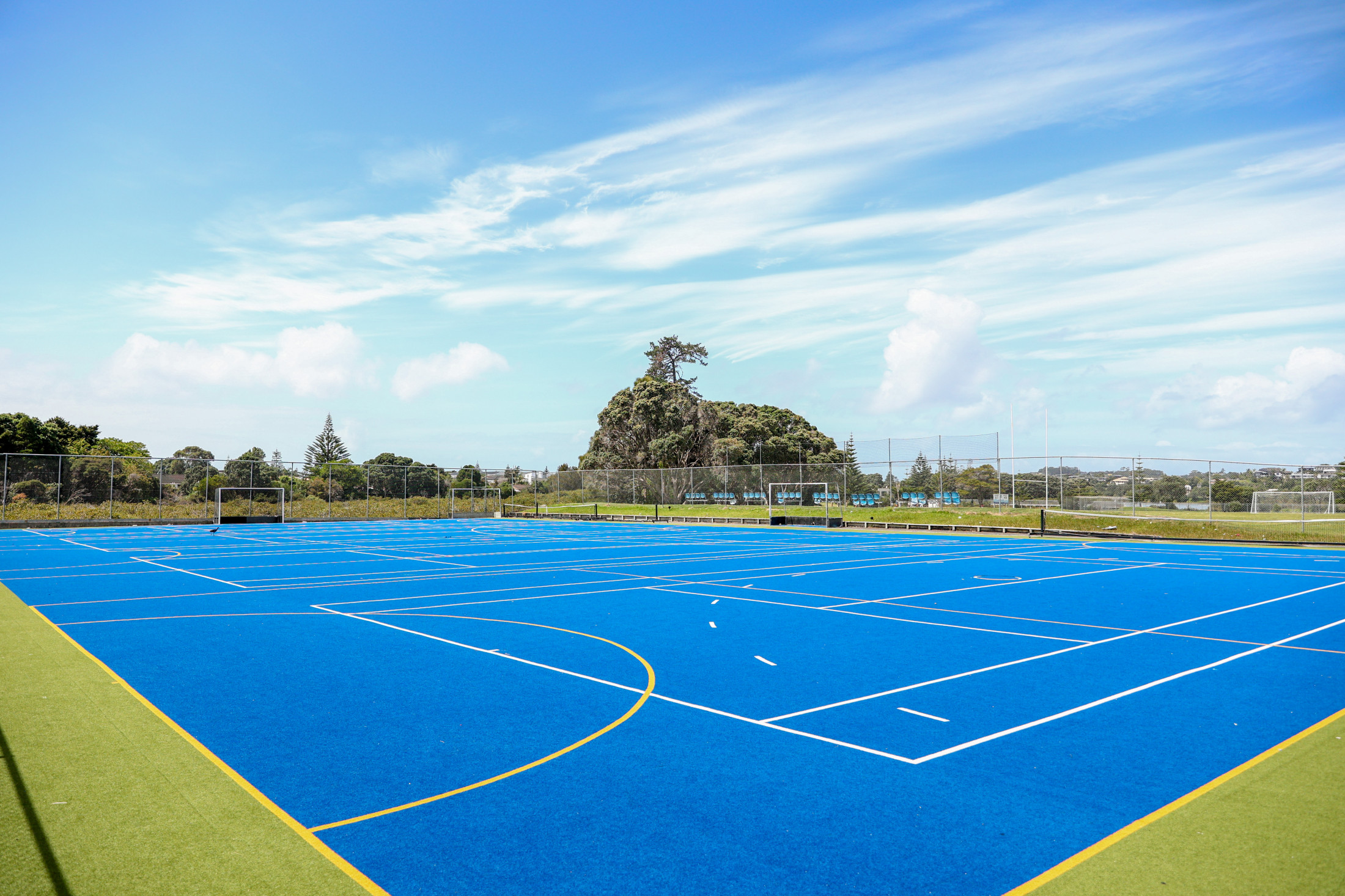
Astroturf courts used for physical education and sport
Officially opened on 15 May 2013 with guests from the Hibiscus Hockey Trust. The Astroturf courts are widely used for physical education and sport.